Rework Play Home

Category

Future of Work

13 articles

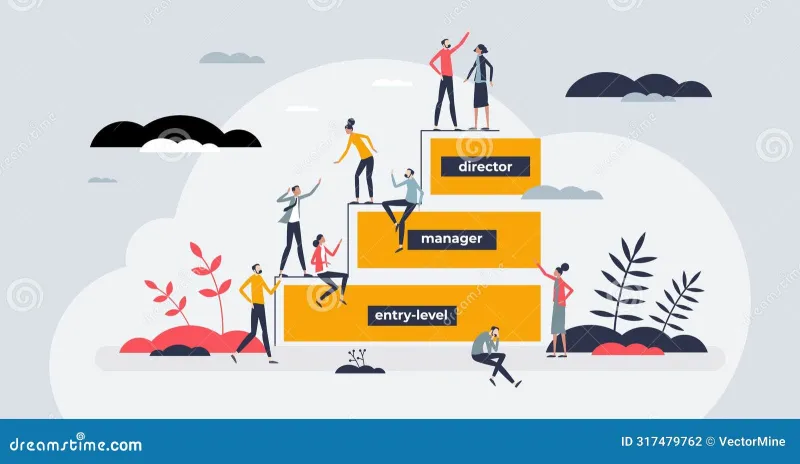
The Career Ladder Is Broken If the Only Rung Left Is 'Manager'

The Career Ladder Is Broken If the Only Rung Left Is 'Manager'

We keep handing the keys to people who never asked to drive. The assumption that your best individual contributors want — or should — become managers is one of the most quietly destructive habits in American workplaces. Here's what we get wrong, and what a smarter path actually looks like.

Climbing the Ladder Shouldn't Mean Leaving Your Best Ideas Behind

Climbing the Ladder Shouldn't Mean Leaving Your Best Ideas Behind

Getting promoted is supposed to be a reward — so why does it so often feel like a creative dead end? The same qualities that earned your best people their advancement are quietly getting squeezed out by the very structures designed to recognize them. There's a better way to grow careers without grinding down the innovation that made those people worth promoting in the first place.

When Winning at Your Job Means Getting Punished With a Worse One

When Winning at Your Job Means Getting Punished With a Worse One

Companies keep handing management roles to their best individual contributors — and then acting surprised when everything falls apart. The real problem isn't the people, it's a career ladder that only goes one direction. Here's what forward-thinking organizations are doing differently.

Nobody's in Charge — And Everyone Knows It

Flat organizations promised freedom from bureaucracy, but many teams ended up trading one set of problems for a messier one. When nobody officially owns a decision, someone unofficially does — and that someone is rarely who you think. Here's why the hierarchy you eliminated on paper is very much alive in your Slack channels.

You Promoted Your Star Player Into a Role They Were Never Built For

Turning your best individual contributor into a manager feels like a reward. More often, it's a slow-motion disaster for everyone involved. Here's why the automatic promotion pipeline is costing companies their most valuable people — and what to do instead.

The Best Person on Your Team Is One Bad Quarter Away From Quitting

The Best Person on Your Team Is One Bad Quarter Away From Quitting

Your top performers aren't just doing their jobs — they're quietly absorbing everyone else's slack, volunteering for the hard stuff, and running on fumes they won't admit to. The organizations that figure out how to protect these people will win. The ones that don't will keep wondering why their best talent keeps walking out the door.

Your Brain Does Its Best Work When You're Not at Your Desk

Your Brain Does Its Best Work When You're Not at Your Desk

Science has known for a while that the 9-to-5 grind isn't exactly a creativity incubator. So why are so many companies still designing workflows around a schedule that works against the way human brains actually function? It's time to stop fighting your team's biology — and start building around it.

You Think Your Team Is Thriving. Your Team Disagrees.

You Think Your Team Is Thriving. Your Team Disagrees.

Most leaders genuinely believe they have a solid read on how their teams are doing. Research—and a lot of exit interviews—suggest otherwise. Here's why the gap between what managers perceive and what employees actually experience is wider than most organizations want to admit, and what it takes to close it.

Your Team Is Running on Empty — And They're Not Going to Tell You

Your Team Is Running on Empty — And They're Not Going to Tell You

Most managers don't find out an employee is burned out until they're reading a resignation letter. The silence isn't indifference — it's self-protection. Understanding why people hide their stress at work is the first step to building a team culture where honesty doesn't feel like a career risk.